


Welcome to Alaskan Nature

lonely caribou in Alakan Nature

As conservationists and people who care deeply for animals and wildlife, we created Alaskan Nature to  provide educational information about the flora and fauna of the great state of Alaska. With both our written information and our stunning photos, Alaskan Nature hopes to inspire people in appreciating and understand the true beauty of Alaska Nature.

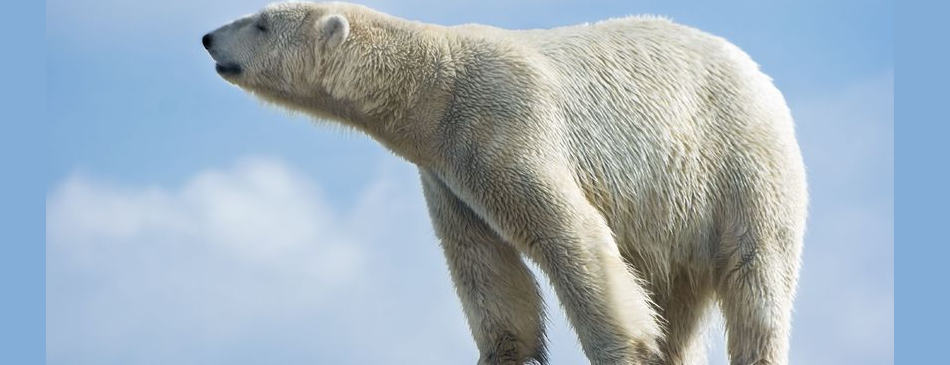
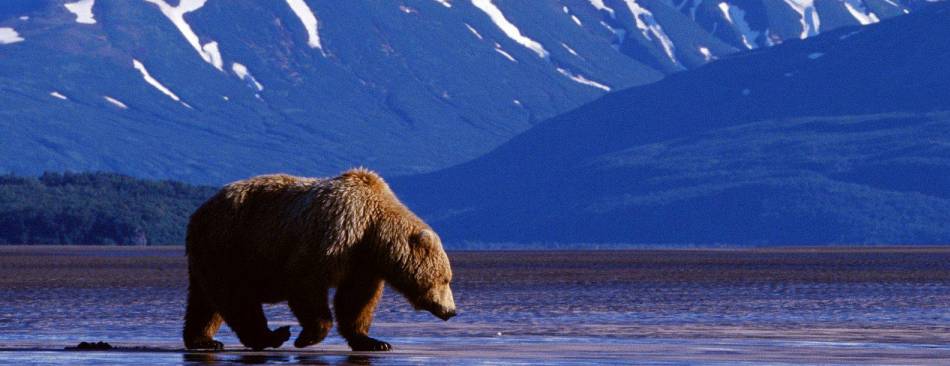
large grizzly bears are part of Alaska natureThe variety and impressive numbers of mammals, birds and marine wildlife in Alaska draw visitors from all over the world. For some travelers, Alaska is wilderness, at least compared to what they may know from back home. The pristine wilderness of Alaska is, perhaps, the last vestige of thriving populations of North American wildlife. Where else can you see polar bears, bald eagles, blue and humpbacked whales, gray wolves, grizzly bears, orcas, lynx, moose, and hundreds of other rare and endangered species in their original and undisturbed natural habitats?

tufted puffin alaskan sea birdNearly 430 species of birds can be found in Alaska, including ducks, geese, swans and the millions of seabirds that nest in colonies along Alaska's coastlines. Alaska's shorelines are home to an abundance of marine life, including stellar sea lions, walrus, whales, seals and sea otters. The world's largest colony of seals, numbering over one million, breeds undisturbed on the Pribilof Islands.

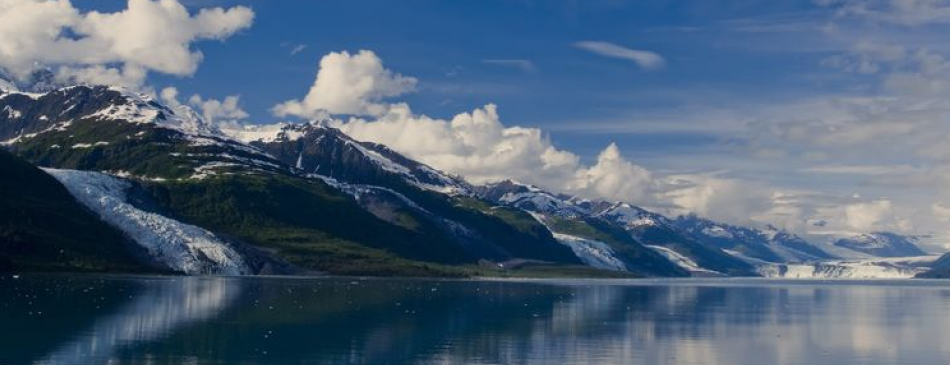
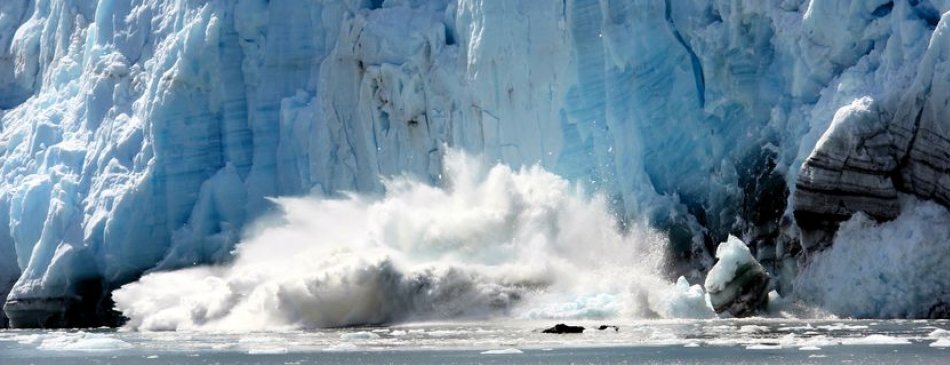
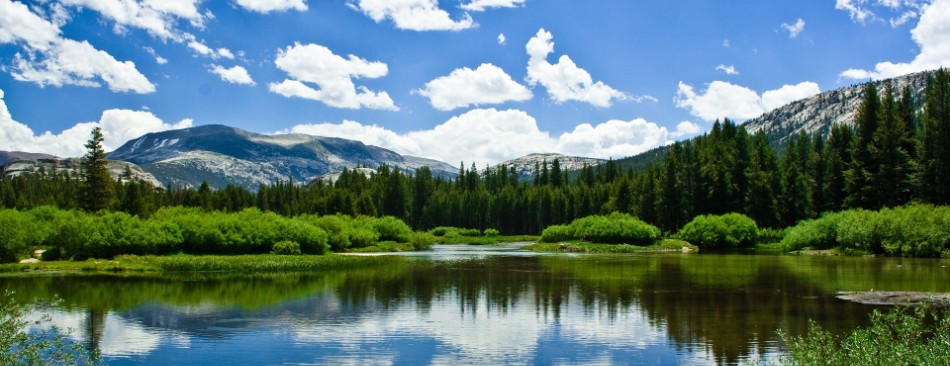
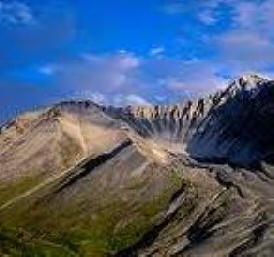
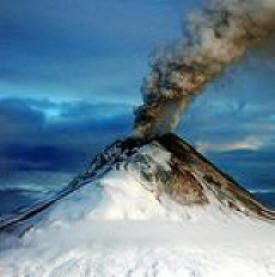
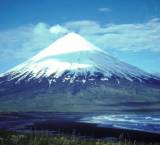
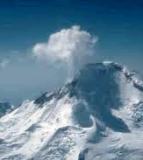
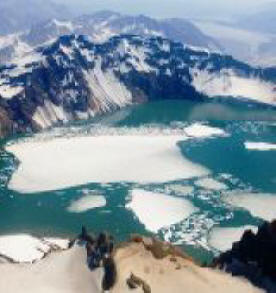
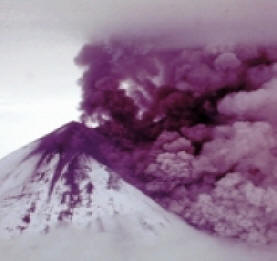
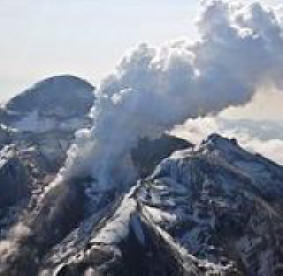
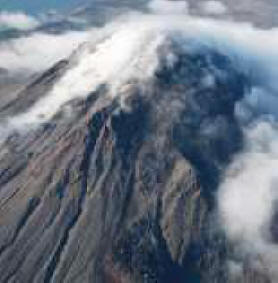
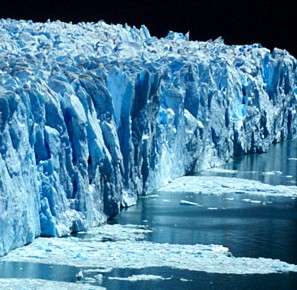
Alaska has some of the most beautiful waterways in the worldAlaska has 3 million lakes, over 3,000 rivers and more coastline (6,640 miles) than the entire continental United States. Alaska also has an estimated 100,000 glaciers, which cover almost 5 percent of the state. There are more active glaciers in Alaska than in the rest of the inhabited world. Alaska is also home to 80 percent of all the active volcanoes in the U.S. The largest known concentrations of bald eagles, over 3,000, converge near Haines from October through January to feed on late run salmon in the Chilkat River. Anchorage Florist Shops


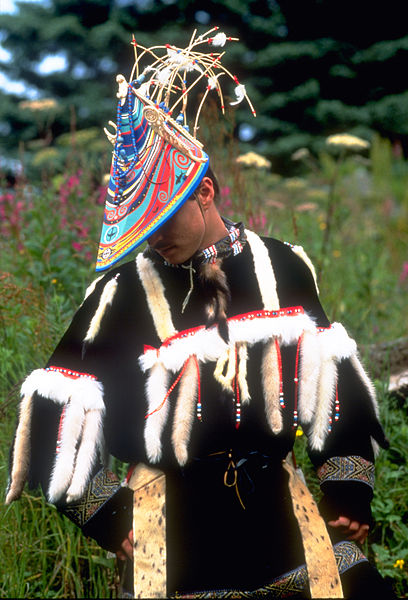
native Alaskans are an important part of AlaskaNumerous indigenous peoples occupied Alaska for thousands of years before the arrival of European peoples to the area. The Tlingit people developed a matriarchal society in what is today Southeast Alaska, along with parts of British Columbia and the Yukon. Also in Southeast were the Haida, now well known for their unique arts, and the Tsimshian people, whose population were decimated by a smallpox epidemic in the 1860s. The Aleutian Islands are still home to the Aleut people's seafaring society, although they were among the first native Alaskans to be exploited by Russians. Western and Southwestern Alaska are home to the Yup'ik, while their cousins the Alutiiq lived in what is now Southcentral Alaska. The Gwich’in people of the northern Interior region are primarily known today for their dependence on the caribou within the much-contested Arctic National Wildlife Refuge. The North Slope and Little Diomede Island are occupied by the widespread Inuit people.

alaska state flagThe design for the Alaska flag was selected in a contest for Alaska students in grades seven through twelve in 1926. The winning design, submitted by 13-year-old Benny Benson, consisted of eight gold stars on a field of blue, representing the Big Dipper and the North Star. The Alaska Legislature adopted the design as the official flag for the Territory of Alaska on May 2, 1927. Later the drafters of the Alaska constitution stipulated that the territorial flag would become the official flag of the State of Alaska.


Search:

Alaska Conservation:

Thousands of people from around the world have provided the financial support to help keep Alaska wild and strong for generations to come. 

Alaska Conservation Foundation (ACF) is the single largest grant maker to Alaska conservation efforts. For over 30 years, no other foundation has been dedicated to serving and supporting the frontlines of Alaska’s conservation movement.

Alaska's Whales:

There are eight species of whales that frequent the cold and icy waters of Alaska. The Beluga, Humpback, Grey, Orca, Bowhead, Blue, Right, and Minke whales.